Part 5: Trapped Between Borders – The Perilous Journey to Safety

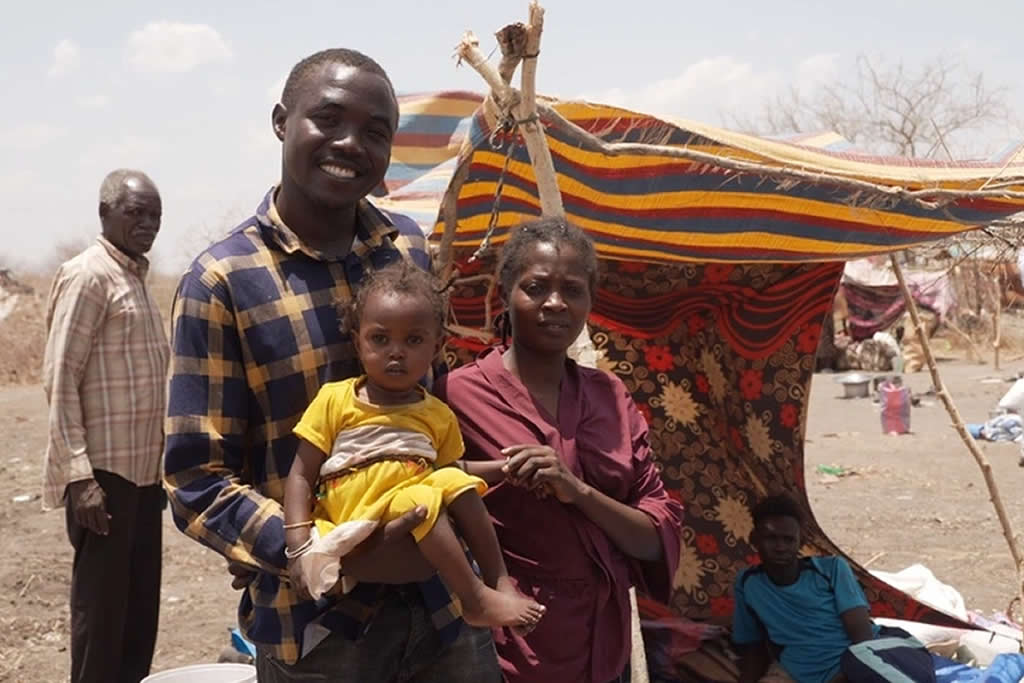
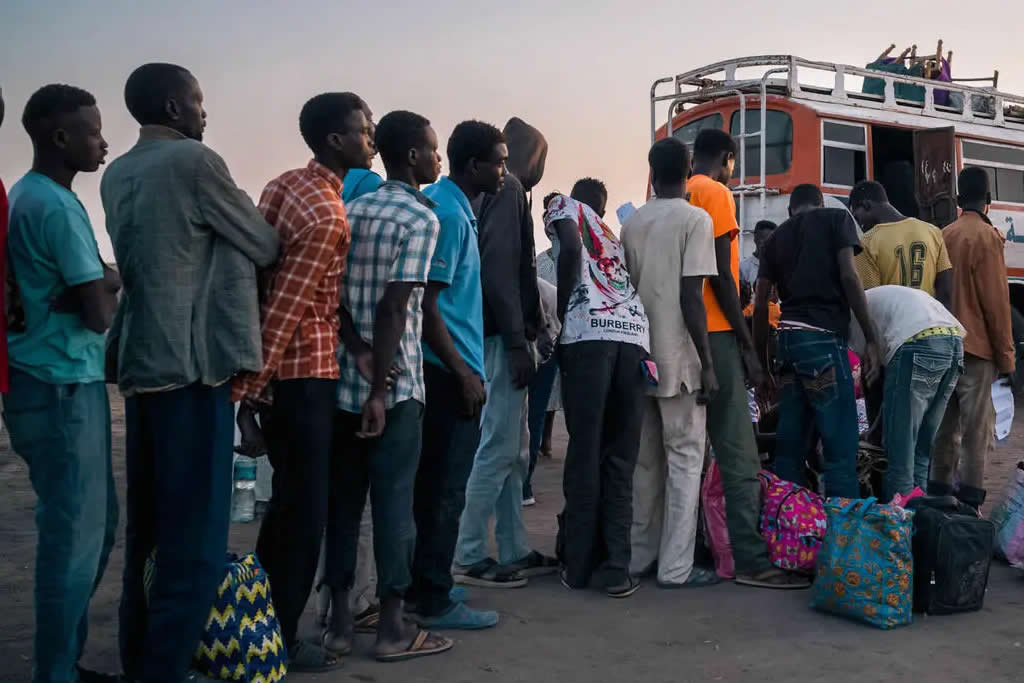
For some, staying in Naivasha means certain death. They sell the last of their belongings, pooling whatever money there is to pay for evacuation. Despite their attempts to reach safety, the road to safety often proves to be treacherous. With the war in full force, checkpoints are dangerous. Anyone without proper identification risks being arrested, or killed. Some are accused of being combatants. Others simply disappear, their fate unknown.

In one instance, a group of 13 South Sudanese refugees left Naivasha Camp for Renk, South Sudan. Only one person arrived. The others were never seen again. Another convoy of 60 people was luckier—they made it across. With each passing day as the conflict intensifies, the risk of escape grows greater.

For those who remain, the choice is impossible: stay and starve, or leave and take the ultimate risk.

Voices from Naivasha Camp – Omdurman
Related Post

Part 4: Nowhere is Safe – Living Under Constant Threat

Inside Naivasha Camp, war isn’t just an outside threat—it has seeped into their daily lives. Armed groups raid homes, stealing the little the refugees have left. With no protection and no authority to turn to, fear rules the night. Every knock at the door could mean violence, theft, or worse. Survival isn’t just about food and water—it’s about making it through the night alive.

AU Condemns Killing of South Sudanese Nationals in Sudan; Humanitarian Groups Urge Protection

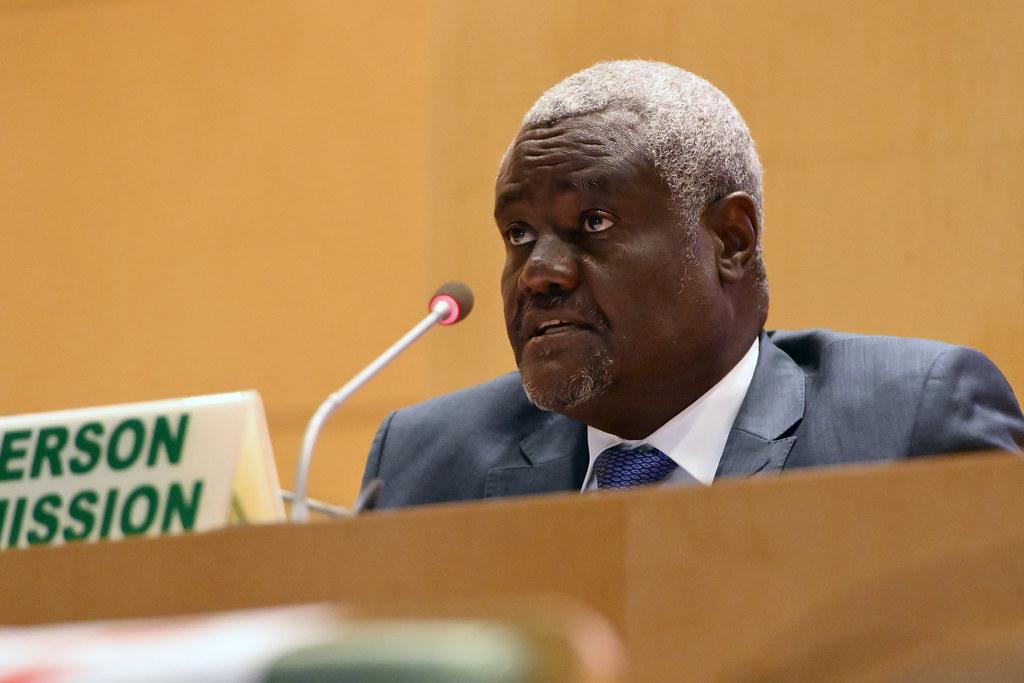
The African Union (AU) has strongly condemned the killing of South Sudanese nationals in Sudan, calling for immediate accountability and protection of civilians caught in the ongoing conflict. The statement follows reports of targeted violence against South Sudanese refugees and migrants amid escalating hostilities in Sudan. In a statement issued Tuesday, the AU Chairperson, Moussa […]

Part 1: Voices from Naivasha Camp | The Harrowing Reality

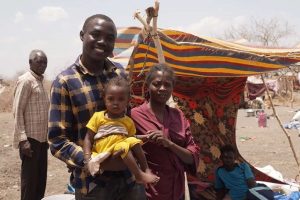
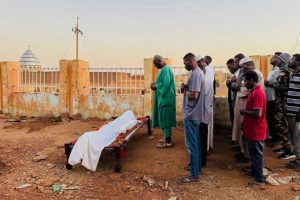
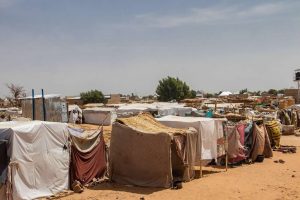
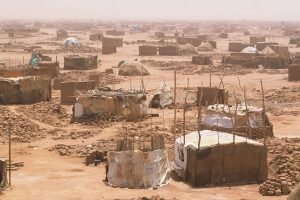
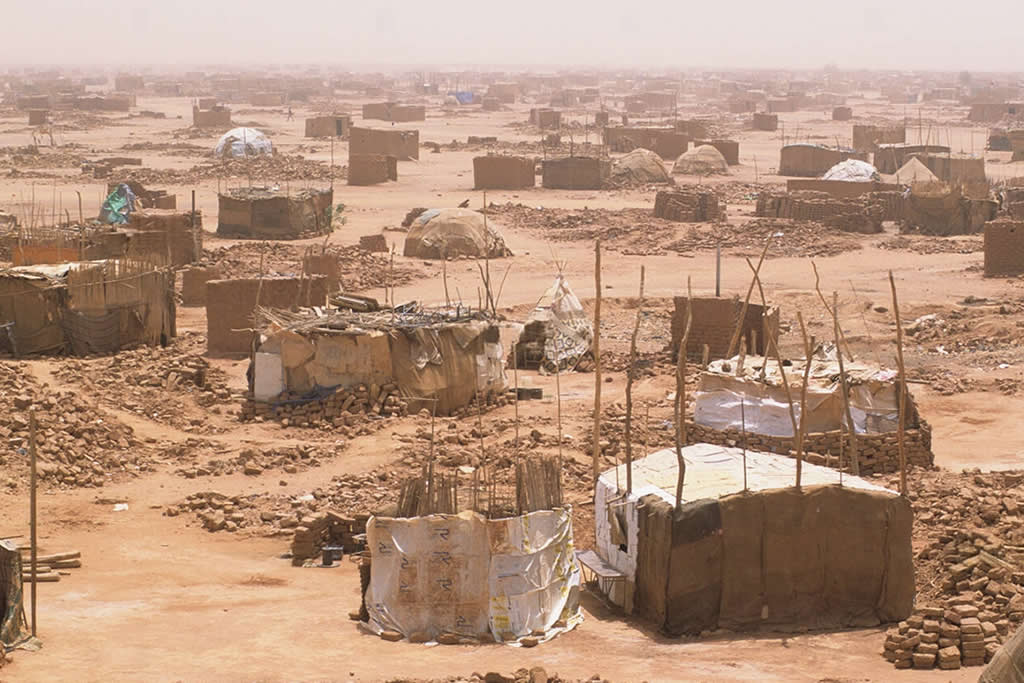
For two years, the people of Naivasha Camp in Omdurman—primarily South Sudanese refugees—have lived on the edge of survival, forgotten by the world. No humanitarian organization has come to their aid. No government has acknowledged their suffering. Trapped between warring factions, they face starvation, disease, and relentless violence. Their only lifeline is the generosity of relatives abroad, but even that is not enough. As death becomes a daily reality, those who remain are left with one desperate plea—help us before it is too late.