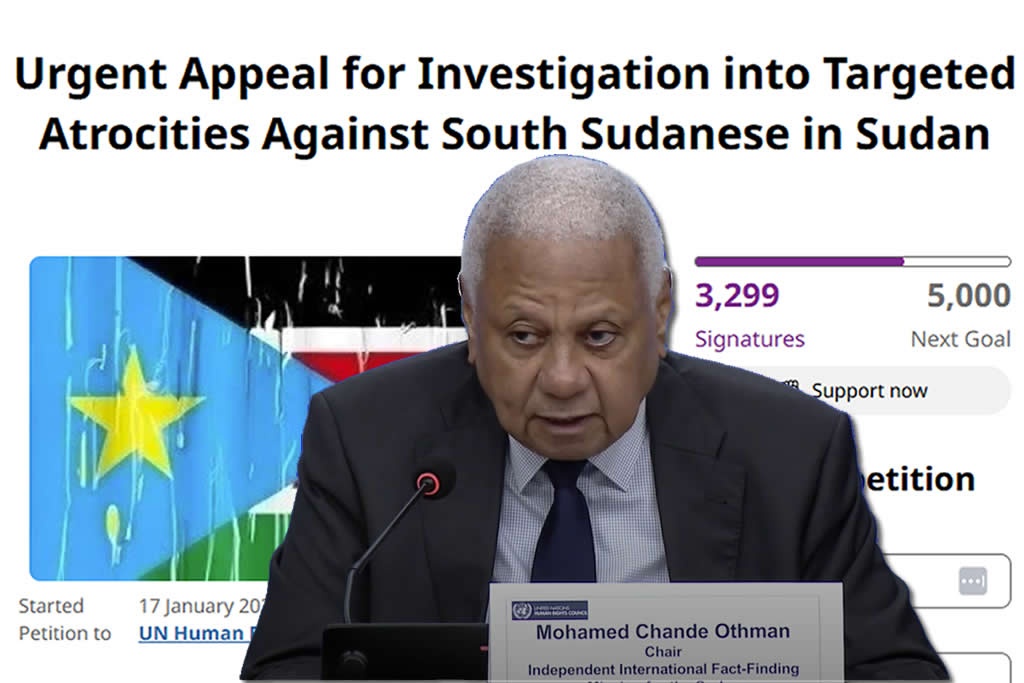
In this exclusive Q&A, Faris Mathew, a Coordinator & Community Leader at Act4SouthSudanese – Global Campaign & Emergency Humanitarian Response for South Sudanese in Sudan, answers five key questions about the situation of South Sudanese in Sudan. He discusses the estimated population, where they are most concentrated, their level of organization, and the challenges they face. He also shares an important message for potential helpers and highlights which humanitarian organizations are still operating in Sudan
On the population still trapped in Sudan…
The South Sudanese population in Sudan is difficult to quantify precisely, but it numbers in the thousands and is spread across various regions. Many reside in the Greater Khartoum area, while others are in eastern Sudan, including Port Sudan. A significant concentration is found in White Nile State, particularly in areas like Kosti, Kinana, and Robo, as well as in Al Gezira. Additionally, there is a sizable refugee population in western Sudan, particularly in camps that shelter people from southwestern South Sudan, including areas like Raja.
On where they are mostly concentrated…
Before the war, the highest concentration of South Sudanese was in White Nile State, south of Khartoum, and throughout Al Gezira. These areas, including Kosti, Kenena, and Al Gezira, attracted many South Sudanese due to agricultural production and employment opportunities. Many settled in regions like Managil, where farming and labour demands provided a means of livelihood.
On how organised South Sudanese in Sudan are…
South Sudanese communities in Sudan are well-organised and cooperative, often banding together to support one another in a foreign land. Facing the challenges of adapting to a new culture and environment, they maintain close ties and assist each other in navigating daily life. However, the situation has changed drastically since the war began. In the early months, the conditions were already difficult, but now, after two years of conflict, the realities on the ground have become even more dire.
Message to potential helpers…
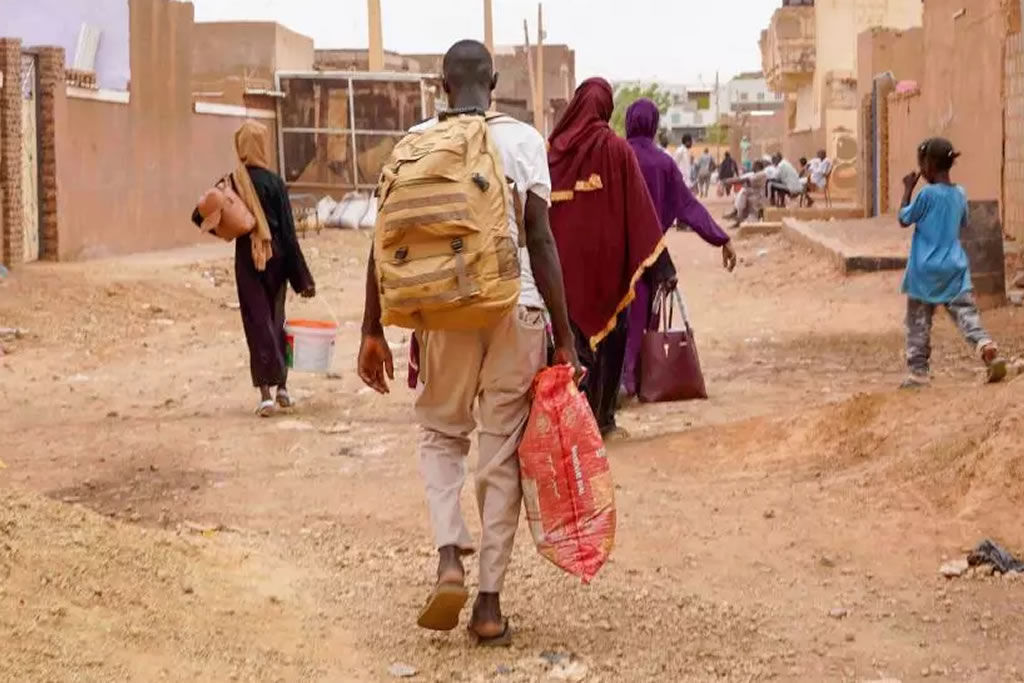
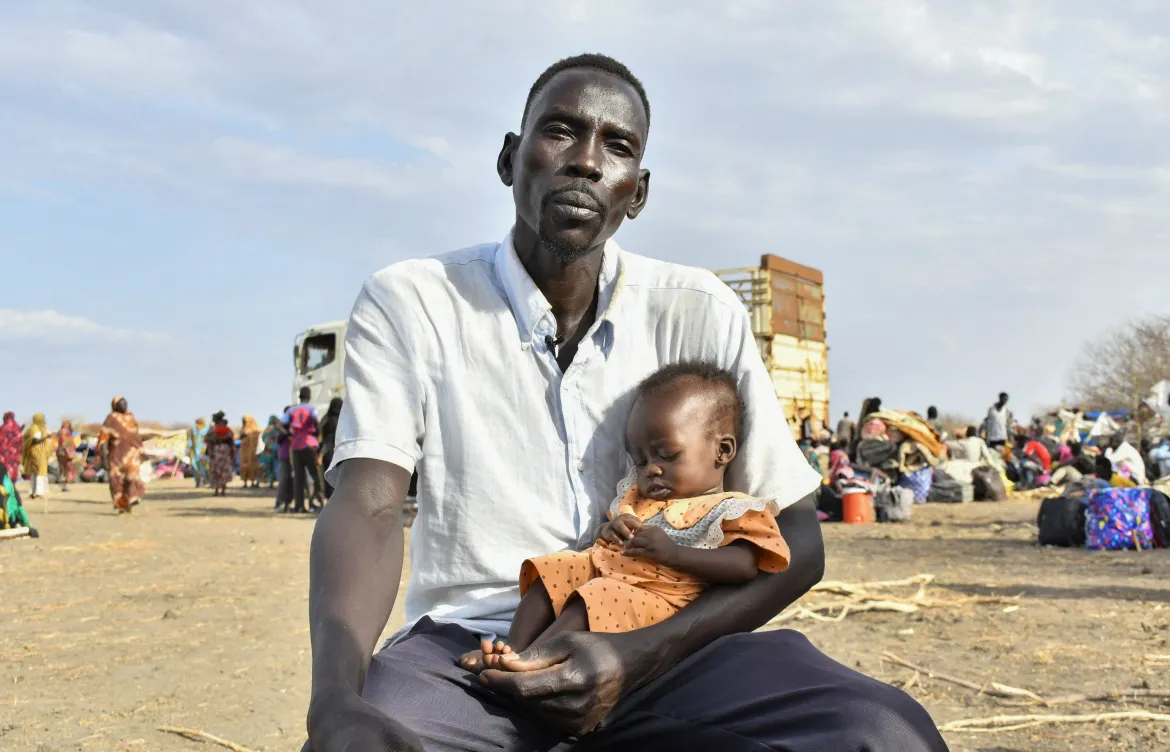
Security has become a major concern, and the level of safety varies depending on whether an area is controlled by the army, the government, or other forces. Each controlling power enforces its own rules and regulations, making survival increasingly difficult for South Sudanese civilians. Many remain stranded and in urgent need of assistance. Basic necessities such as food, medication, and safe passage out of Sudan have become critical. Those who have the opportunity to leave require support in finding safe routes out of the country.
On NGOs still operating and helping them…
Most organisations that previously operated in Sudan—whether international or local—have either ceased their activities or withdrawn entirely due to the severe insecurity. The environment has become too dangerous for them to continue their work, and neither the government nor armed forces provide adequate protection. Even religious institutions have been forced to abandon their missions, with churches shutting down and clergy, including reverend sisters and other church workers, being escorted out for their safety.
Appeal for action…
The situation in Sudan remains grave, and urgent action is needed to assist the stranded South Sudanese civilians. Raising awareness of their plight is crucial, as many require immediate humanitarian support to survive and find a way to safety.