“They took my son from the house. They made him kneel. They raised the machete in front of me. They laughed when I screamed.”
— A mother in Mayo, Khartoum
In the shadowed streets of Khartoum, life has collapsed into an abyss. Particularly in predominantly South Sudanese residential areas like Hai Mayo—already long neglected—the violence is no longer the distant thud of artillery or the echo of gunfire. It is intimate, deliberate, coordinated, inhumane and cruel.
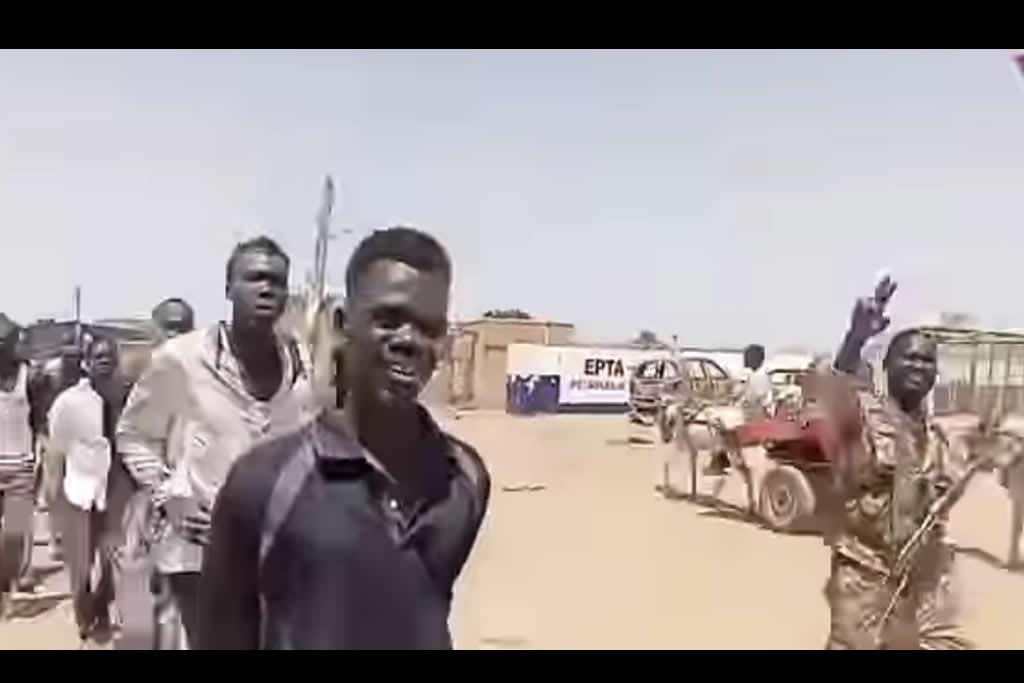
Eyewitnesses speak of the Al-Baraa and Special Operations Brigades, operating under the banner of the Sudanese Armed Forces (SAF), sweeping into homes and neighbourhoods previously under RSF control. In many cases, their targets are chosen based on dialect, skin colour, or perceived ethnic identity.
“They stormed our home, tied my husband, and beat him with stones until he stopped moving. Then they dragged his body outside and left it there. My children haven’t spoken since.”
What is happening in Khartoum is not just war—it is a campaign of terror against civilians who were left behind in the chaos.
Young men are accused of collaboration without evidence; mothers are forced to watch as their sons are executed in front of them. The violence is medieval in its methods: axes, ropes, machetes—and worse.
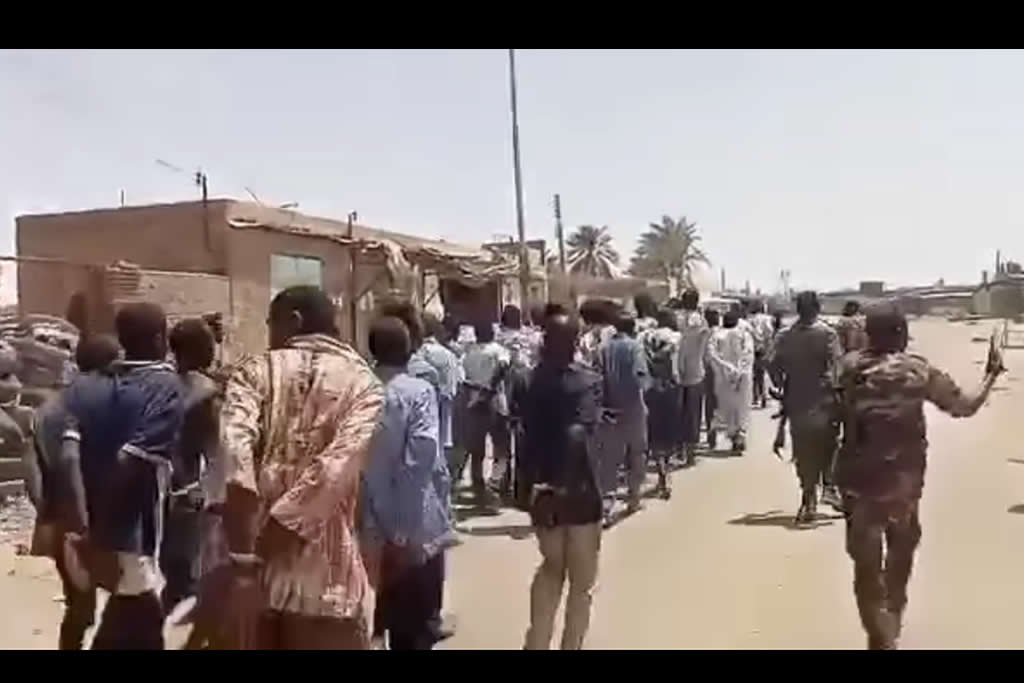
In one case, a 17-year-old boy was hacked to death with a machete in front of his mother and younger brother. His severed head was left beside the door. In another, a group of men were reportedly burned alive, doused with flammable liquid and set alight in the middle of the street.
“They poured petrol on him and set him on fire. He screamed, but they laughed. Then they walked away.”
Even more chilling is the sense of silence—the world does not seem to be watching. Humanitarian corridors are blocked, journalists are absent, and those who survive are afraid to speak.
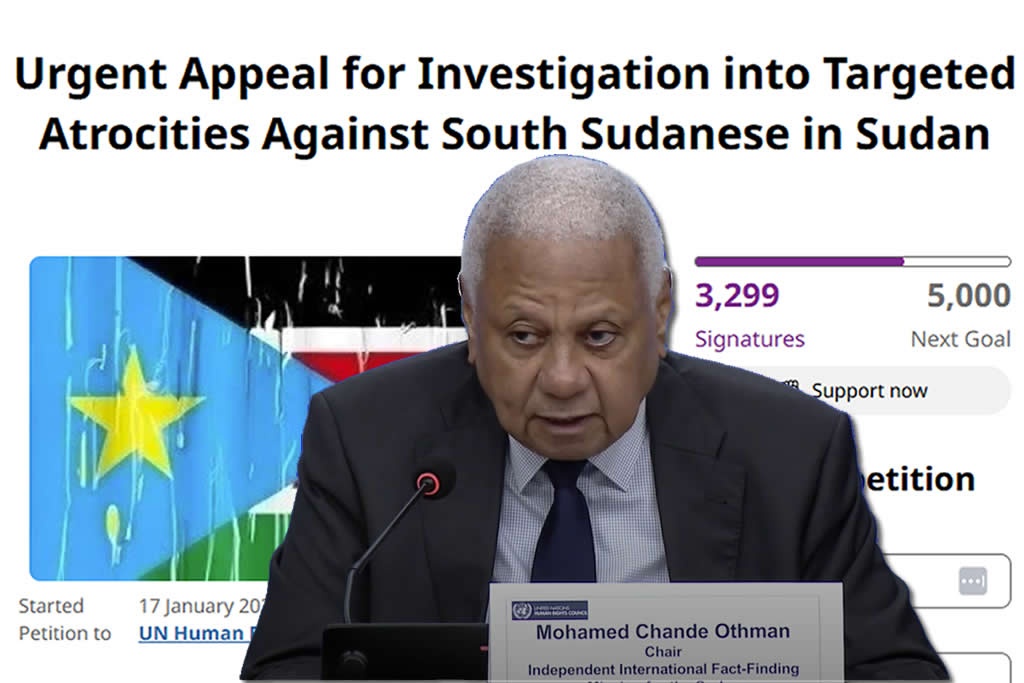
The Global Campaign & Emergency Response For South Sudanese in Sudan (act4SouthSudanese.org) has issued a press release to raise the alarm and call for immediate international action. The statement urges the Sudanese Armed Forces to stop arbitrary arrests and respect international humanitarian law. It also calls on the International Committee of the Red Cross and South Sudanese authorities to investigate reports of mass detentions, torture, and extra-judicial executions. The campaign is seeking urgent intervention from the UN, African Union, and IGAD to prevent further escalation.
20250405 - Press Release - The Global Campaign Raises Alarm Over Mass Arrests and Civilian Mistreatment in Khartoum Following Shifts in Control (974 downloads )In South Sudanese communities, there is deep fear for the safety of their loved ones in Khartoum. Many are unable to reach family members who were in the city just days before the army’s forces entered. These families are desperate for news and living in constant dread of the worst. Communication lines remain severed, and the silence from their loved ones only adds to the terror.
The Global Campaign is gathering testimonies, raising alarms, and calling for urgent international intervention. The silence must end.
“We call on the world to hear the cries of Mayo, Haj Yousif, and Jebel Aulia. Civilians are being hunted. The streets are becoming mass graves. If nothing is done, thousands more will perish—and no one will know their names.”
What You Can Do
The time for silence has passed. Your support is urgently needed to bring attention to these atrocities and ensure that the voices of those suffering in Sudan are heard. Here’s how you can help:
- Donate to support South Sudanese communities and provide emergency humanitarian aid.
- Share this story to raise awareness and call for action on social media, with friends, and with decision-makers.
- Join the Global Campaign by becoming an advocate, spreading the word, and engaging in efforts to demand urgent intervention.
The Global Campaign & Emergency Humanitarian Response for South Sudanese in Sudan remains committed to amplifying the voices of the oppressed and fighting for justice. Your involvement matters. Together, we can end this silence.
For more information and to take action, visit act4southsudanese.org